Işılay Gürsu on archaeology and public perceptions in Turkey
August 18, 2026
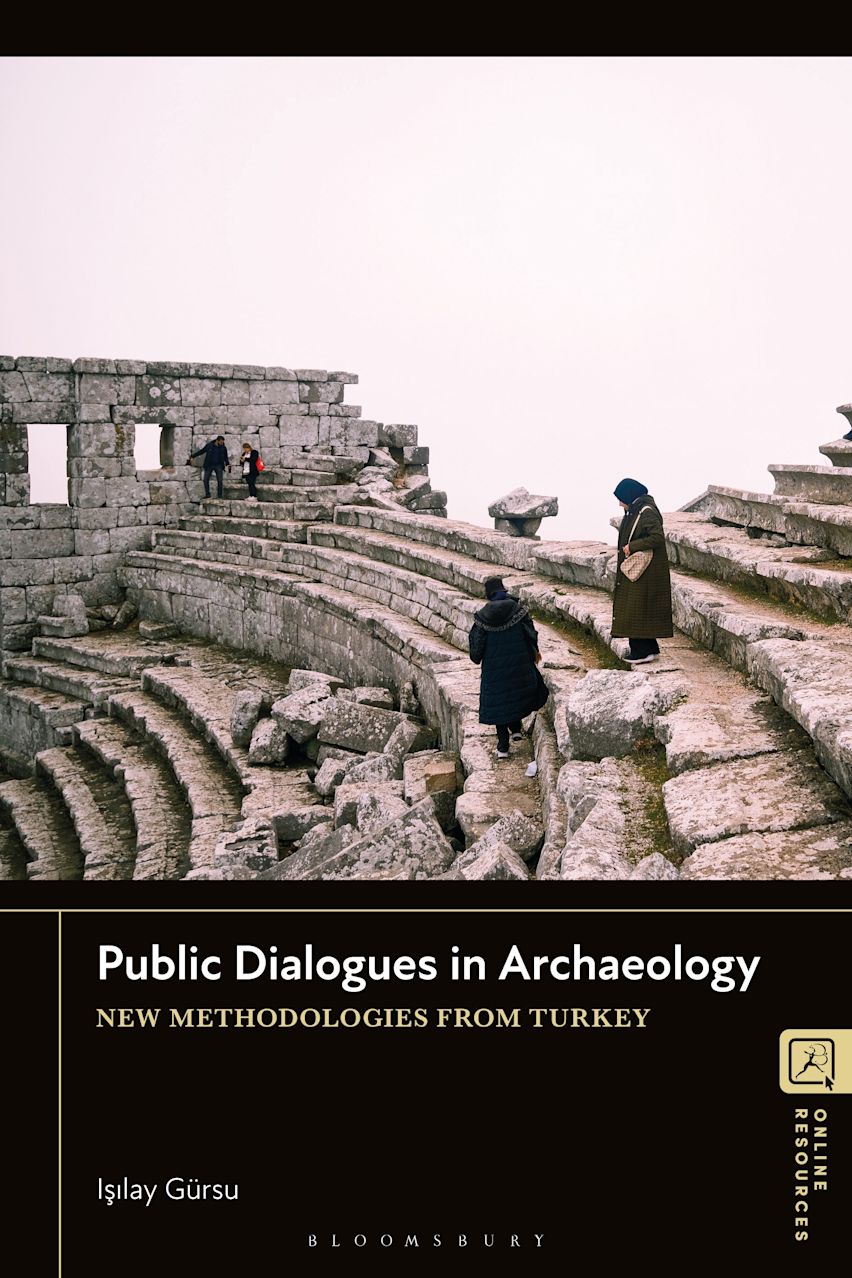
Turkey Book Talk #276 – Işılay Gürsu, assistant director at the British Institute in Ankara, on “Public Dialogues in Archaeology: New Methodologies from Turkey” (Bloomsbury Academic).
The book explores the Turkish public’s views of the country’s rich archaeological heritage, the hunt for hidden treasure at historic sites across the country, and efforts to repatriate ancient artefacts that were pilfered generations ago.
Download the episode or listen below:
Read a transcript of the interview on Substack.
Listen to Turkey Book Talk : Apple / Spotify / PodBean / Stitcher / PlayerFM / Listen Notes
Follow : Instagram / Facebook / Twitter / Bluesky
Please support Turkey Book Talk as a member on either Substack or Patreon. Members get a 35% discount on all Turkey/Ottoman History books published by Bloomsbury Academic, access to transcripts of every interview, and links to articles related to the subject of every episode.
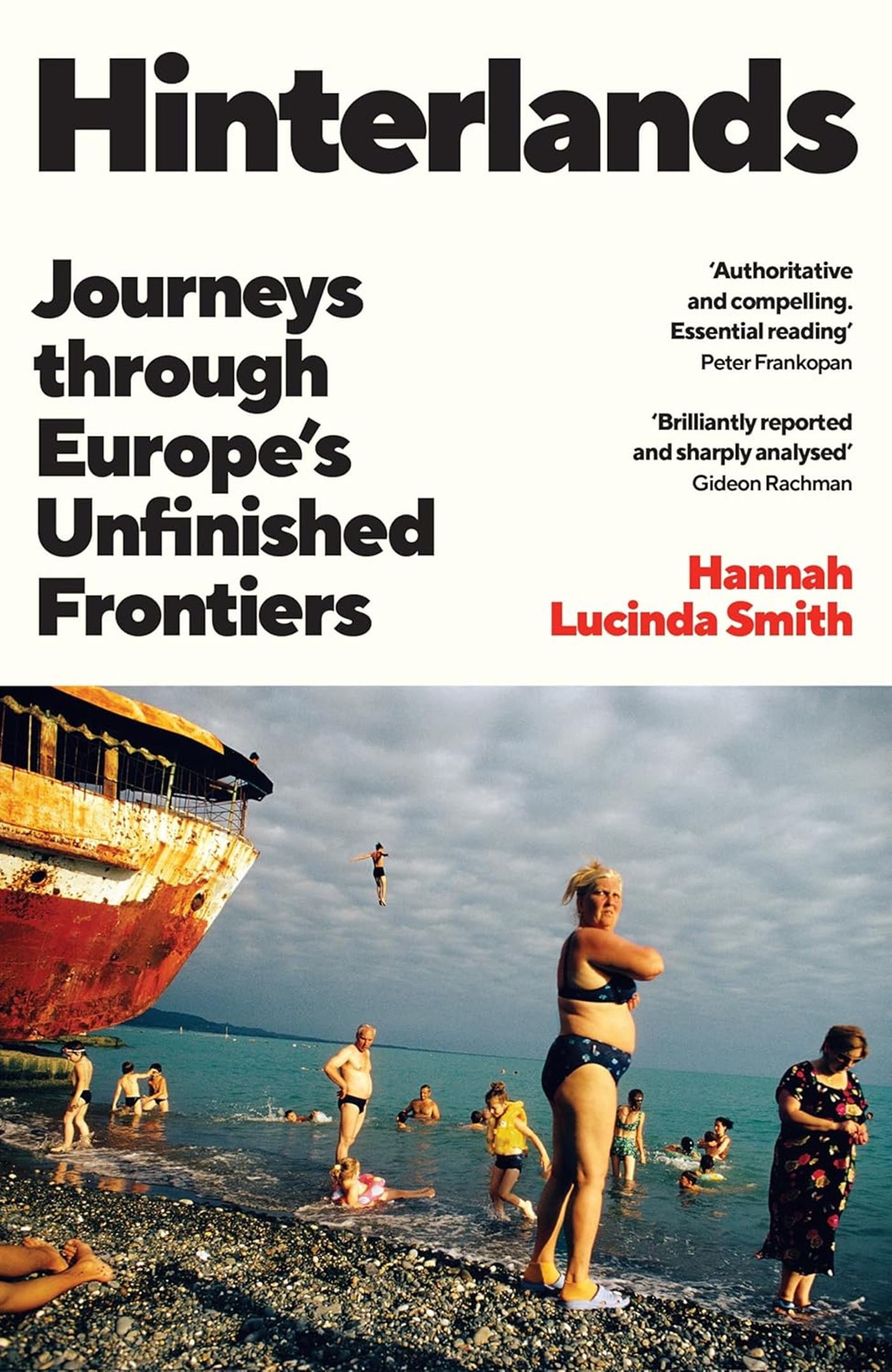
Turkey Book Talk #273 – Hannah Lucinda Smith on “Hinterlands: Journeys through Europe’s Unfinished Frontiers” (Profile Books).
The book is based on vivid reporting from Eastern Europe, the East Mediterranean and the Caucasus, as places like Kosovo, Bosnia, Karabakh, Transnistria, Crimea and Cyprus become geopolitical hotspots with ambitious revisionist powers like Russia and Turkey looking to secure a greater share of the pie.
Download the episode or listen below:
Read a transcript of the interview on Substack.
Listen to Turkey Book Talk : Apple / Spotify / PodBean / Stitcher / PlayerFM / Listen Notes
Follow : Instagram / Facebook / Twitter / Bluesky
Please support Turkey Book Talk as a member on either Substack or Patreon. Members get a 35% discount on all Turkey/Ottoman History books published by Bloomsbury Academic, access to transcripts of every interview, and links to articles related to the subject of every episode.
Jennifer Hattam on Istanbul’s shifting cultural landscape
November 19, 2024
Turkey Book Talk #232 – Jennifer Hattam reflects on a decade-and-a-half of reporting on Turkey’s environmental, political and cultural agenda, as well as wrenching changes in journalism and staying afloat amid Istanbul’s relentless urban upheaval.
Download the episode or listen below:
Read a transcript of the interview on Substack
Listen to Turkey Book Talk: iTunes / PodBean / Stitcher / Spotify / PlayerFM / Listen Notes
Follow : Instagram / Facebook / Twitter / BlueSky
Subscribe to Jennifer’s Substack “Istanbul etc.“

Support Turkey Book Talk as a member on either Substack or Patreon. Members get a 35% discount on all Turkey/Ottoman History books published by IB Tauris/Bloomsbury, access to transcripts of every interview, transcripts of the whole archive, and links to articles related to the subject of every episode.
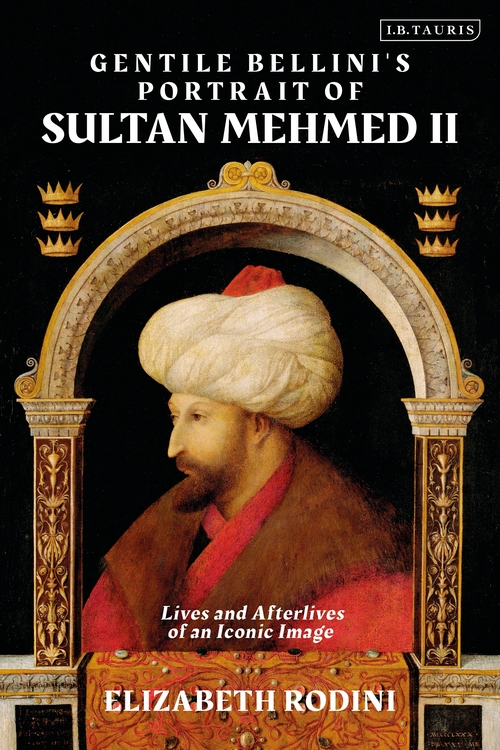
Turkey Book Talk #129 – Elizabeth Rodini on “Gentile Bellini’s Portrait of Sultan Mehmed II: Lives and Afterlives of an Iconic Image” (IB Tauris/Bloomsbury).
The book explores how and why the Venetian painter came to the Ottoman court in 1479, as well as his portrait’s many intriguing afterlives in subsequent centuries.
Download the episode or listen below:
Listen to Turkey Book Talk: iTunes / PodBean / Stitcher / Acast / Spotify / RSS
Follow Turkey Book Talk on Facebook or Twitter
Check out Raziye Akkoç and Diego Cupolo’s excellent Turkey Recap weekly newsletter.
Become a member to support Turkey Book Talk and get loads of extras: A 35% discount on any of over 100 books in IB Tauris/Bloomsbury’s excellent Turkey/Ottoman history category, English and Turkish transcripts of every interview upon publication, transcripts of the entire archive of episodes, and an archive of 231 reviews written by myself covering Turkish and international fiction, history, journalism and politics.
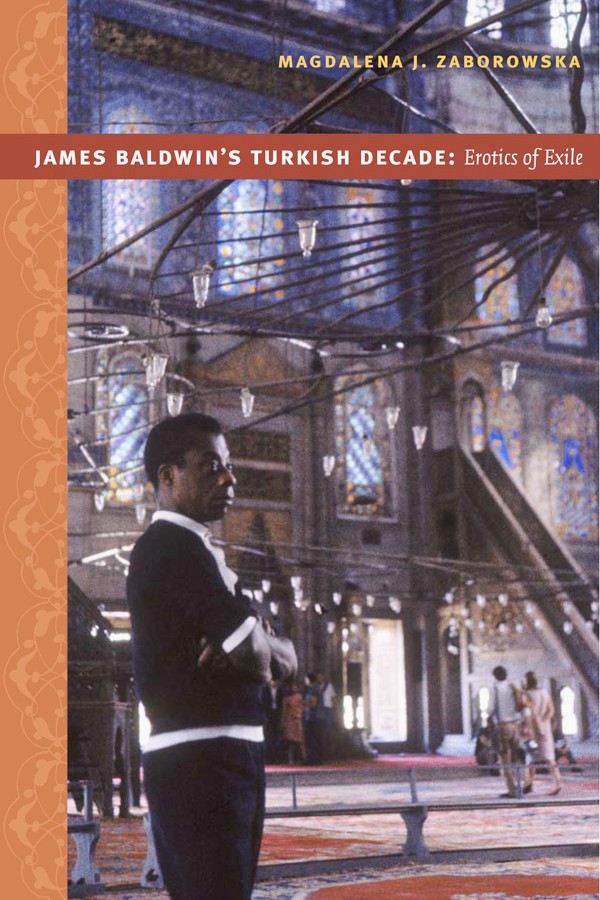
Turkey Book Talk episode #119 – Magdalena Zaborowska, professor of literature at the University of Michigan, on her book “James Baldwin’s Turkish Decade: Erotics of Exile” (Duke University Press)
The book looks at the great African American author’s extensive periods living and working in Istanbul from 1961 to 1971.
Download the episode or listen below.
Listen to Turkey Book Talk : iTunes / PodBean / Stitcher / Acast / Spotify / RSS
Follow Turkey Book Talk on Facebook or Twitter
Check out Raziye Akkoç and Diego Cupolo’s excellent Turkey Recap weekly newsletter
Become a member to support Turkey Book Talk and get loads of extras: A 35% discount on any of over 100 books in IB Tauris/Bloomsbury’s excellent Turkey/Ottoman history category, English and Turkish transcripts of every interview upon publication, transcripts of the entire archive of episodes, and an archive of 231 reviews written by myself covering Turkish and international fiction, history, journalism and politics.
Caroline Eden on a culinary journey across the Black Sea coast
January 15, 2019
Turkey Book Talk episode #81 – Caroline Eden on “Black Sea: Dispatches and Recipes – Through Darkness and Light” (Quadrille).
The book is richly illustrated and lovingly put together: A part-cookbook, part-travelogue describing places, people and recipes from the Black Sea coasts of Ukraine, Romania and Bulgaria to Istanbul, Trabzon and Rize in Turkey.
Download the episode or listen below.
Subscribe to Turkey Book Talk : iTunes / PodBean / Stitcher / Acast / RSS
Follow Turkey Book Talk on Facebook or Twitter

Join as a member to support Turkey Book Talk and get (English and Turkish) transcripts of every interview, transcripts of the entire archive, and an archive of 231 reviews written by myself covering Turkish and international fiction, history, journalism and politics.
Sign up as a member to support Turkey Book Talk via Patreon.
Alev Scott on ‘Ottoman Odyssey: Travels Through a Lost Empire’
November 27, 2018
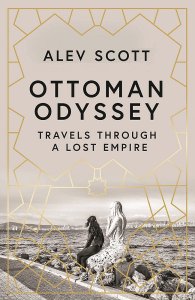
Turkey Book Talk episode #78 – Alev Scott on “Ottoman Odyssey: Travels Through a Lost Empire” (Riverrun), her travelogue exploring the past and present of Turkey and the former territories of the Ottoman Empire.
Download the episode or listen below.
Subscribe to Turkey Book Talk : iTunes / PodBean / Stitcher / Acast / RSS
Follow Turkey Book Talk on Facebook or Twitter
Don’t forget the new addition to Turkey Book Talk’s membership system: Members now get access to an archive of 231 book reviews originally written for the Hurriyet Daily News. That archive was still standing for a few months but it now seems to have been deleted from the HDN website.
The reviews cover a pretty diverse spread of subjects: Turkish and international fiction and poetry, history, journalism, politics, the Middle East and Europe.
Members also get full transcripts in English and Turkish of every interview upon publication, transcripts of the entire Turkey Book Talk archive (over 70 conversations so far), and access to an exclusive 30% discount on over 200 Turkey/Ottoman History titles published by IB Tauris.
Sign up as a member to support Turkey Book Talk via Patreon.
Avedis Hadjian on the ‘hidden Armenians’ of Anatolia
November 13, 2018
Turkey Book Talk episode #77 – Avedis Hadjian on “Secret Nation: The Hidden Armenians of Turkey” (IB Tauris).
Download the episode or listen below.
Subscribe to Turkey Book Talk : iTunes / PodBean / Stitcher / Acast / RSS
Follow Turkey Book Talk on Facebook or Twitter

Don’t forget the new addition to Turkey Book Talk’s membership system : Members now get access to an archive of 231 book reviews originally written for the Hurriyet Daily News. That archive was still standing for a few months but it now seems to have been deleted from the HDN website.
The reviews cover a pretty diverse spread of subjects: Turkish and international fiction and poetry, history, journalism, politics, the Middle East and Europe.
Members also get full transcripts in English and Turkish of every interview upon publication, transcripts of the entire Turkey Book Talk archive (over 70 conversations so far), and access to an exclusive 30% discount on over 200 Turkey/Ottoman History titles published by IB Tauris.
Sign up as a member to support Turkey Book Talk via Patreon.
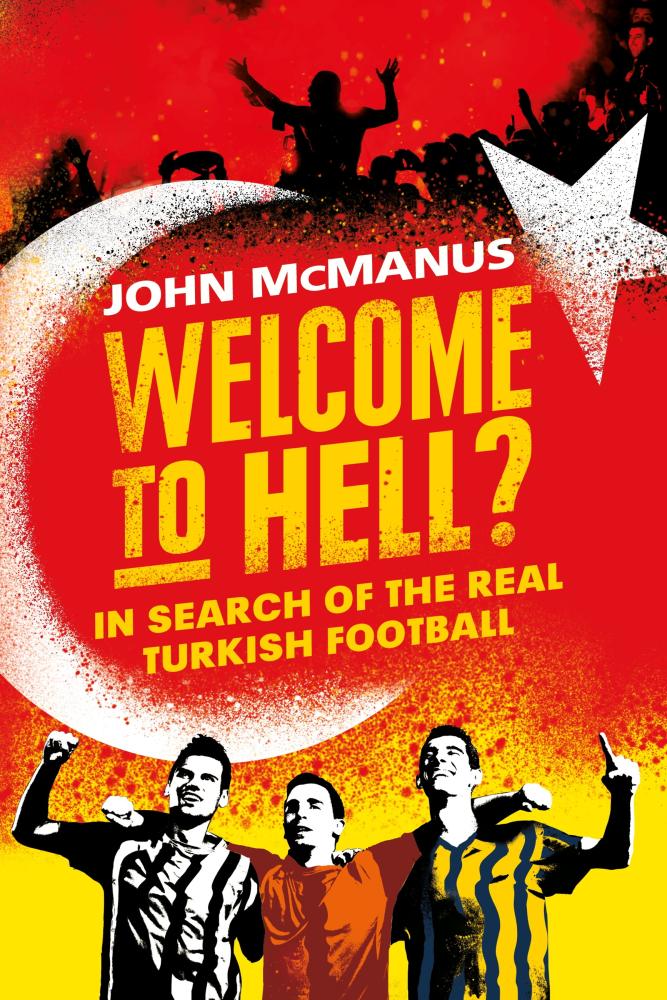
Turkey Book Talk episode #64 – JOHN MCMANUS, post-doctoral fellow at the British Institute at Ankara, on “WELCOME TO HELL? IN SEARCH OF THE REAL TURKISH FOOTBALL” (W&N), a colourful exploration of what the beautiful game can tell us about a football-mad society and Turkey’s modern history.
Download the episode or listen below.
Subscribe to Turkey Book Talk : iTunes / PodBean / Stitcher / Acast / RSS
Here’s my review of the book from last week.
Support Turkey Book Talk by becoming a member. Membership gives you full transcripts in English and Turkish of every interview upon publication, transcripts of the entire Turkey Book Talk archive, and access to an exclusive 30% discount on over 200 Turkey/Ottoman History titles published by IB Tauris.
Raja Shehadeh on travels with his Ottoman uncle
December 8, 2017
Unfortunately topical episode of Turkey Book Talk this week – Palestinian author and lawyer RAJA SHEHADEH on his book A RIFT IN TIME: TRAVELS WITH MY OTTOMAN UNCLE (OR/Basic Books), retracing the journey of his great uncle Najib Nassar, who was on the run from the Ottoman authorities for three years in Greater Syria from 1915.
Download the episode or listen below.
Here’s my review of the book at HDN.
The Nation has also just published a beautifully written long-ish profile of Raja Shehadeh that is well worth reading.
Subscribe to Turkey Book Talk : iTunes / PodBean / Stitcher / Acast / RSS

* SPECIAL OFFER *
You can support Turkey Book Talk by taking advantage of a 33% discount plus free delivery (cheaper than Amazon) on five different titles, courtesy of Hurst Publishers:
- ‘Jihad and Death: The Global Appeal of Islamic State’ by Olivier Roy
- ‘The Circassian: A Life of Eşref Bey, Late Ottoman Insurgent and Special Agent’ by Benjamin Fortna
- ‘The New Turkey and its Discontents’ by Simon Waldman and Emre Çalışkan
- ‘The Poisoned Well: Empire and its Legacy in the Middle East’ by Roger Hardy
- ‘Out of Nowhere: The Syrian Kurds in Peace and War’ by Michael Gunter
Follow this link to get that discount from Hurst Publishers.
Another way to support the podcast, if you enjoy or benefit from it: Make a pledge to Turkey Book Talk via Patreon. Many thanks to current supporters Michelle Zimmer, Steve Bryant, Jan-Markus Vömel, Celia Jocelyn Kerslake, Aaron Ataman, Max Hoffman, Andrew MacDowall, Paul Levin, Ayla Jean Yackley and Tan Tunalı.
Brand new Turkey Book Talk episode.
KAPKA KASSABOVA joins the pod to discuss her book “BORDER: A JOURNEY TO THE EDGE OF EUROPE” (Granta), on the troubled past and present of the border between Turkey, Greece and Bulgaria.
Download the episode or listen below.
Listen out for a cameo appearance by my cat at around the 23:09 mark.
Here’s my review of the book at HDN.
Subscribe to Turkey Book Talk : iTunes / PodBean / Stitcher / Acast / RSS
Follow on Facebook or Twitter.

*SPECIAL OFFER*
You can support Turkey Book Talk by taking advantage of a 33% discount plus free delivery (cheaper than Amazon) on five different titles, courtesy of Hurst Publishers:
- ‘Jihad and Death: The Global Appeal of Islamic State’ by Olivier Roy
- ‘The Circassian: A Life of Eşref Bey, Late Ottoman Insurgent and Special Agent’ by Benjamin Fortna
- ‘The New Turkey and its Discontents’ by Simon Waldman and Emre Çalışkan
- ‘The Poisoned Well: Empire and its Legacy in the Middle East’ by Roger Hardy
- ‘Out of Nowhere: The Syrian Kurds in Peace and War’ by Michael Gunter
Follow this link to get that discount from Hurst Publishers.
Another way you can support is by making a donation to Turkey Book Talk via Patreon. Many thanks to current supporters Özlem Beyarslan, Steve Bryant, Celia Jocelyn Kerslake and Aaron Ataman.
Kaya Genç talks Istanbul writing
January 9, 2016
Happy New Year!
First Turkey Book Talk pod of the year is with novelist Kaya Genç, the editor of “An Istanbul Anthology” (AUC Press), a new selection of classic writing on Istanbul by classic names including Mark Twain, Ernest Hemingway, and Lady Mary Wortley Montagu.
Happily, I’ve finally picked up a decent mic so the podcasts should now be more listenable. Hooray!
Here’s text of interview at the Hürriyet Daily News.
And here’s my review of the book.

Subscribe to the Turkey Book Talk podcast via iTunes or PodBean.


